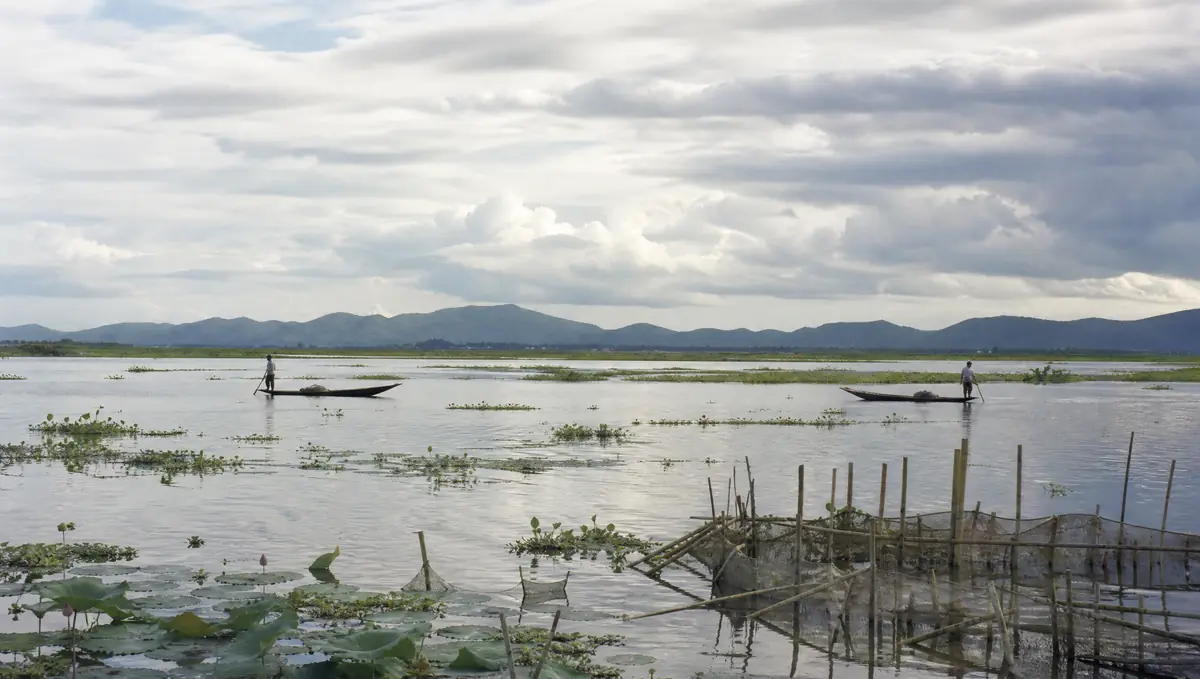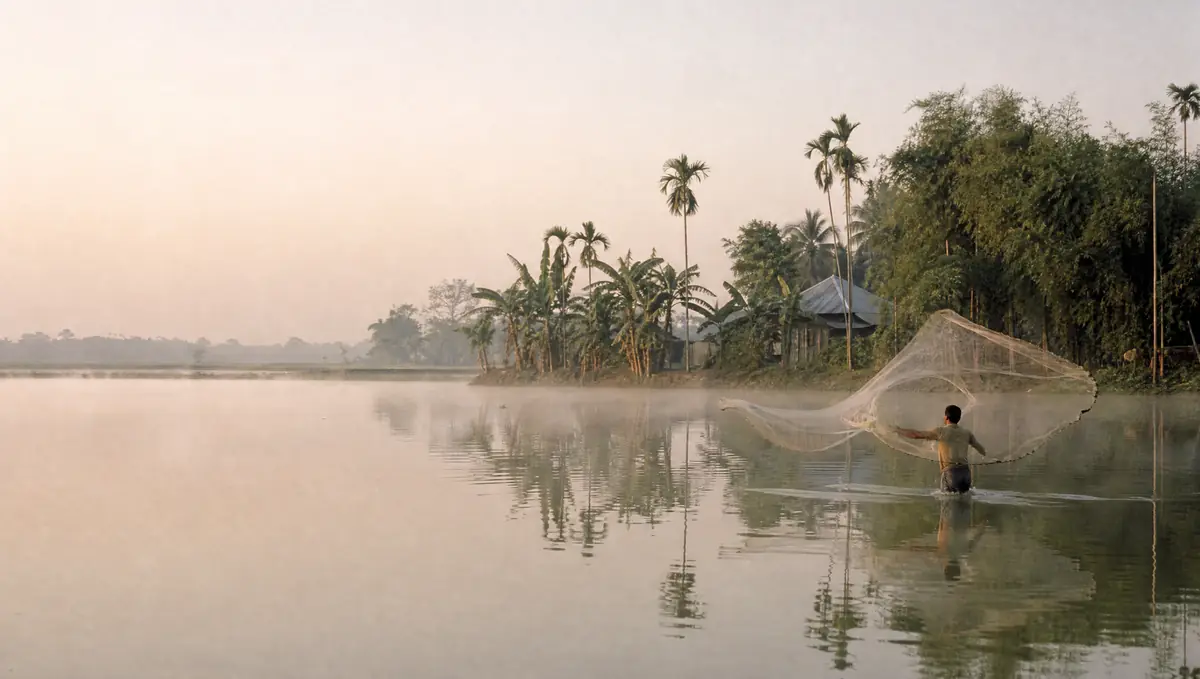
A fisherman throws a cast net at dawn in a misty village pond, with areca palms and bamboo along the bank.

Development consultancy for aquaculture, agriculture and livelihoods

We know the field, finance and the operations.

Based in Assam, working across India. We design, fund, run and measure farm and livelihood work that holds up in the field.

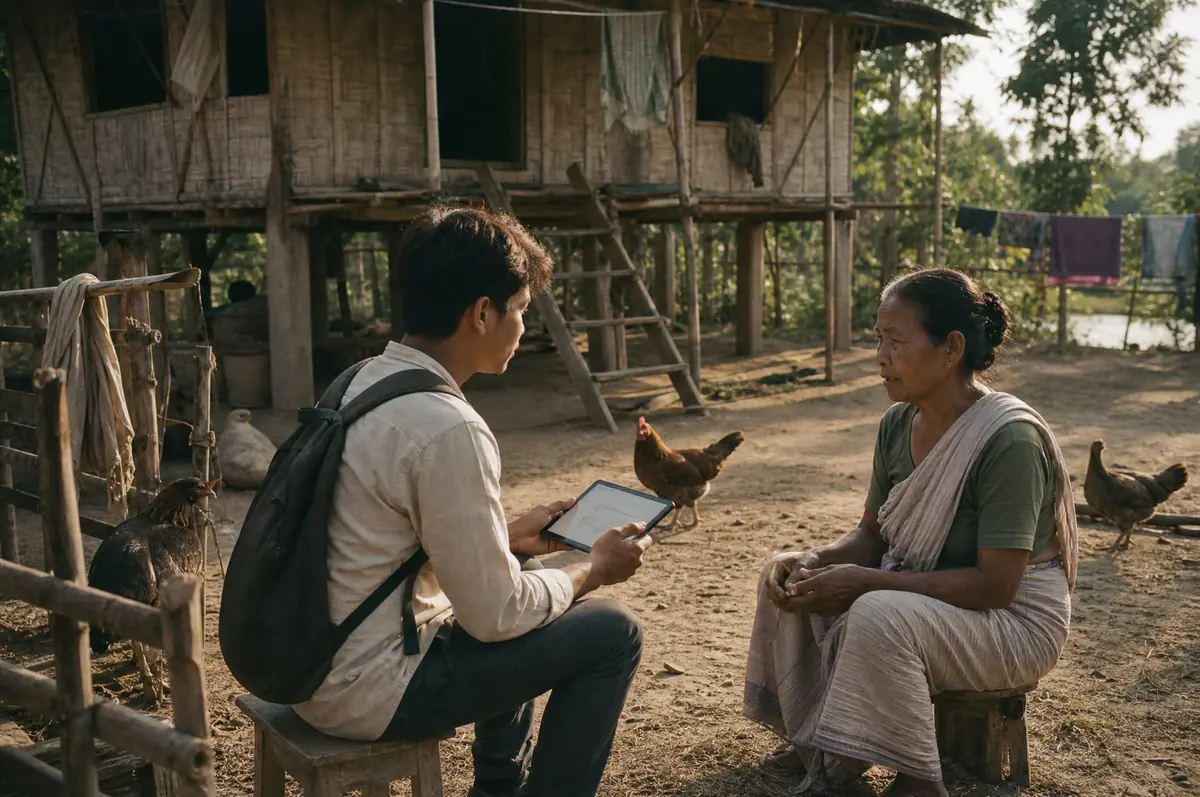
Morigaon, AssamCasting a net on a village pond

Most rural projects do not fail on paper. They fail in the gap between a sanctioned plan and the farmer, the SHG or the field team who has to make it work. That gap is where we work.

Three habits

  • Field firstWe see the field, the pond and the people before we write a line.
  • Numbers that holdYields, costs and results that survive a bank appraisal or an external audit.
  • Built to outlast usEvery assignment leaves behind skills, records and linkages the client can run alone.

In the field this season

  • NalbariFPO collection day, cabbage and chilli
  • KokrajharBaseline survey, week six of eleven
  • MorigaonPond renovation before the Magh Bihu cycle
  • SonitpurToria seed reaching two FPOs
  • DhemajiPost-flood rapid appraisal
  • JorhatRice-fish-duck plots, second season
  • KamrupMonthly owner report, 6.4-ha farm
  • GuwahatiDPR appraisal meeting with a regional bank
  • Ri-Bhoi, MeghalayaHill-pond feasibility visit

Aquaculture, agriculture and livelihoods, under one roof.

Rural households rarely live off one thing. A family grows paddy, keeps a pond, sells vegetables and runs a small enterprise through its SHG. We work across all of it, so plans fit the way people actually earn.

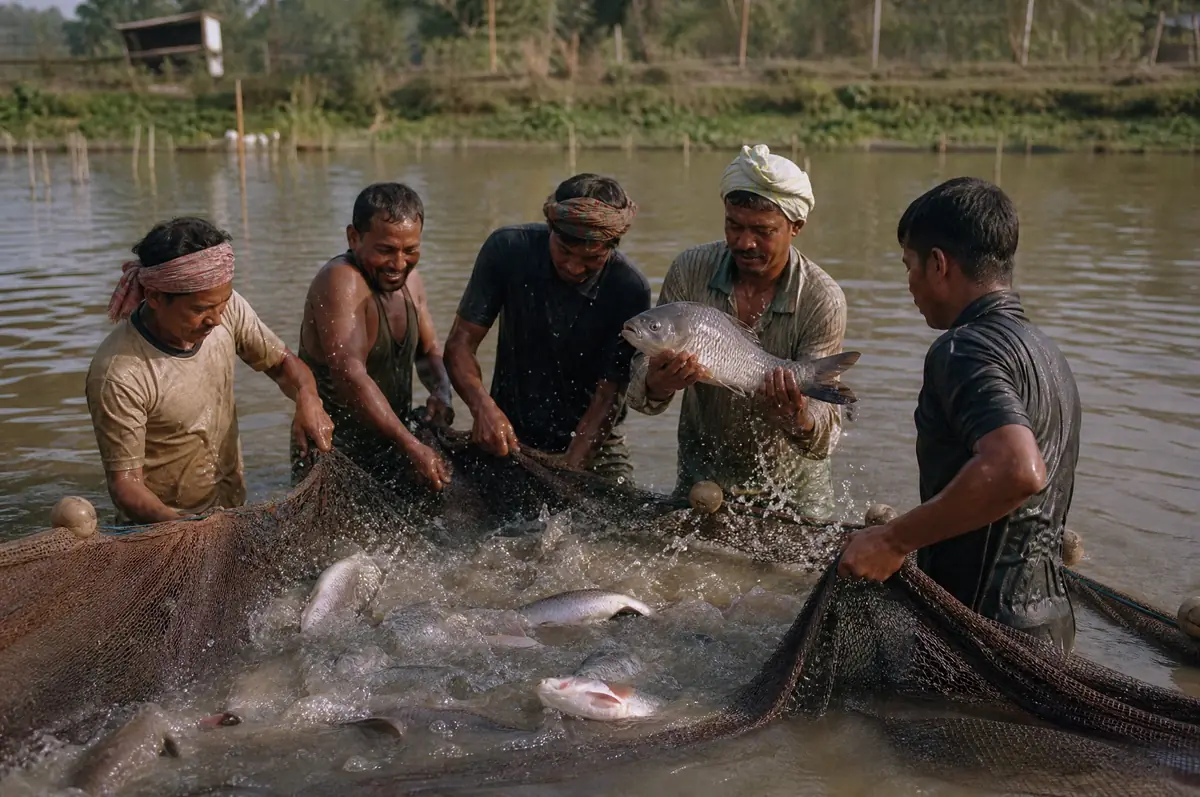
Men pull a drag net full of rohu and catla in a village pond.

Ponds, beels and hatcheries, planned and run for yield, not guesswork.

1.9 → 3.4 t/hatypical yield gain on the ponds we support

  • Pre-stocking to post-stocking training
  • Bankable DPRs for fish farms and FPCs
  • Fish value addition with SHGs
  • Managing farms of 2 ha and more
Related service: Asset Management
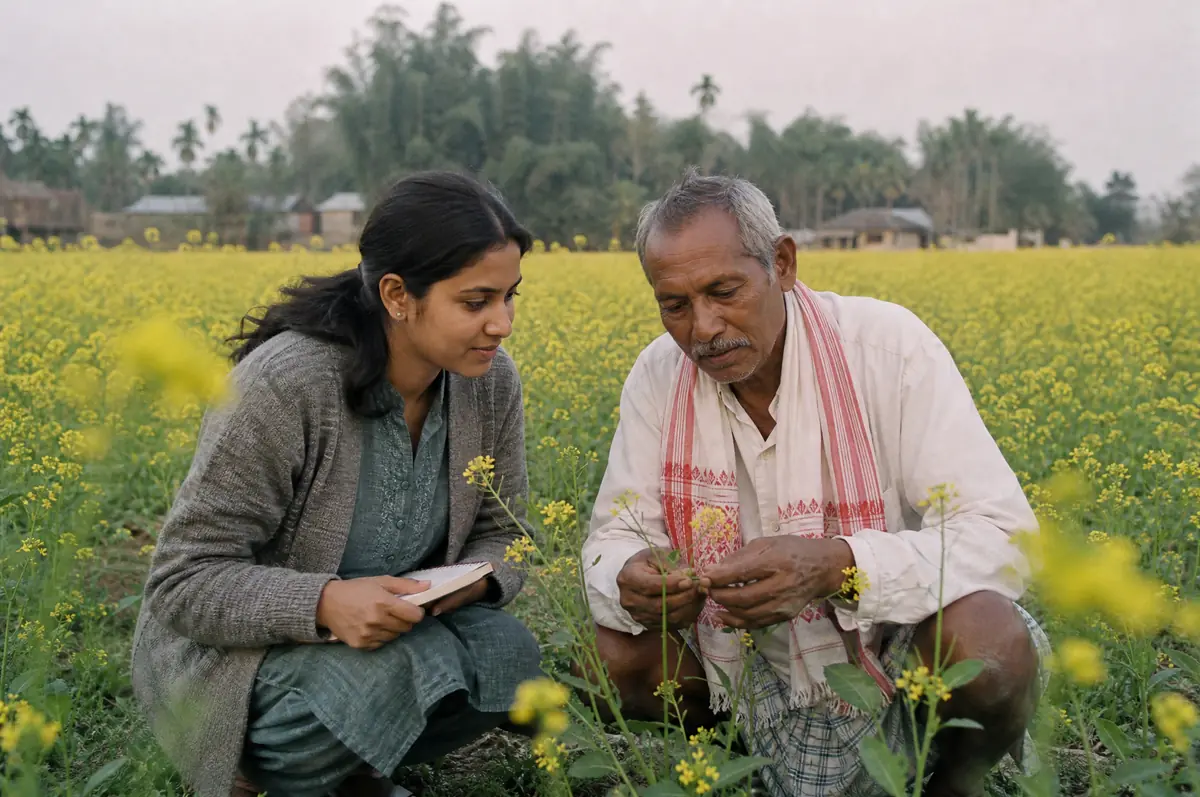
An agronomist and a farmer examine a mustard plant in a field in flower.

Paddy, oilseeds, vegetables and spices, from one farmer’s plot to a district plan.

2 cropswhere there used to be one: rice fallows put to work

  • Crop packages of practice and field schools
  • Second crops on rice fallows
  • Natural and integrated farming
  • FPO business plans and market contracts
Related service: Consultancy
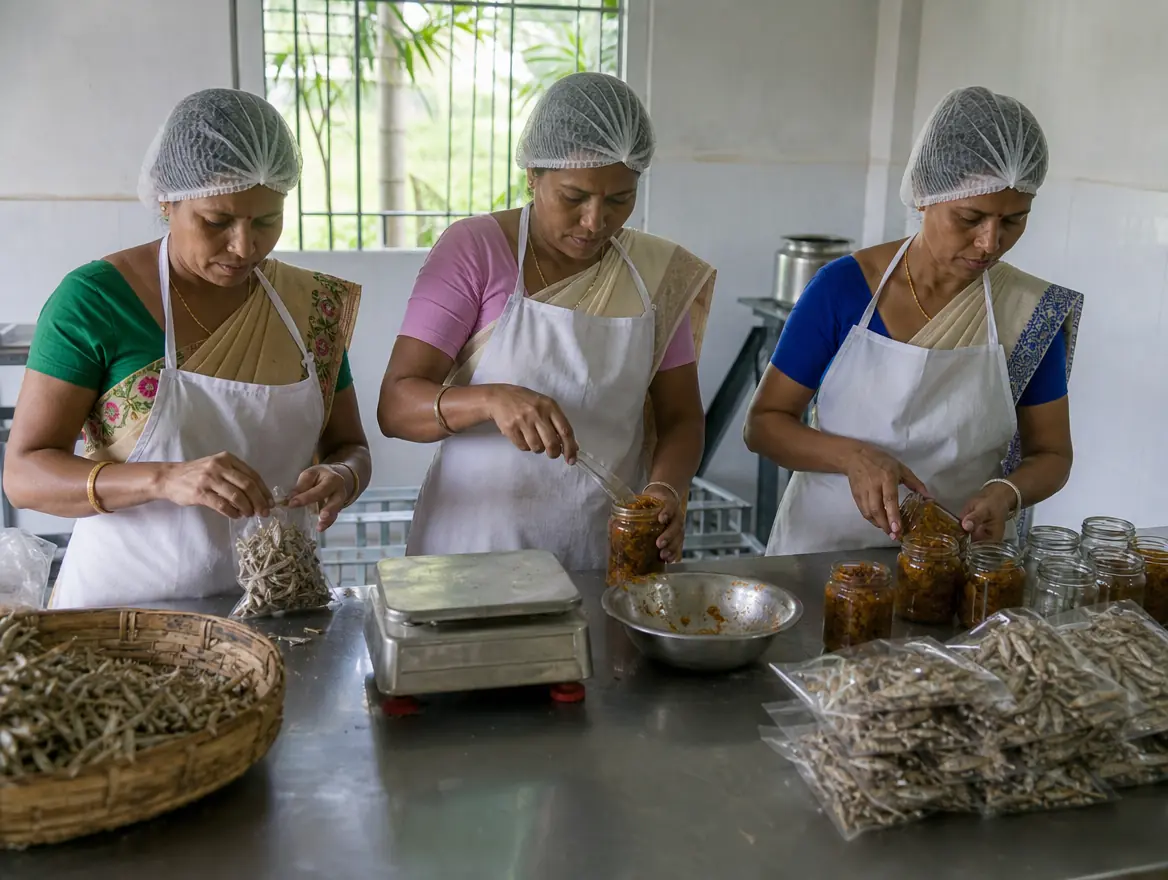
Women from a self-help group pack dried fish and pickle in a small processing unit.

SHGs, FPOs and small enterprises that earn through the year.

3.5 lakh+SHGs in Assam, the base most livelihood work builds on

  • Livelihood programme design for NGOs and CSR
  • SHG and FPO enterprise development
  • Scheme convergence with NRLM and MGNREGS
  • Baselines and impact studies
Related service: MEAL
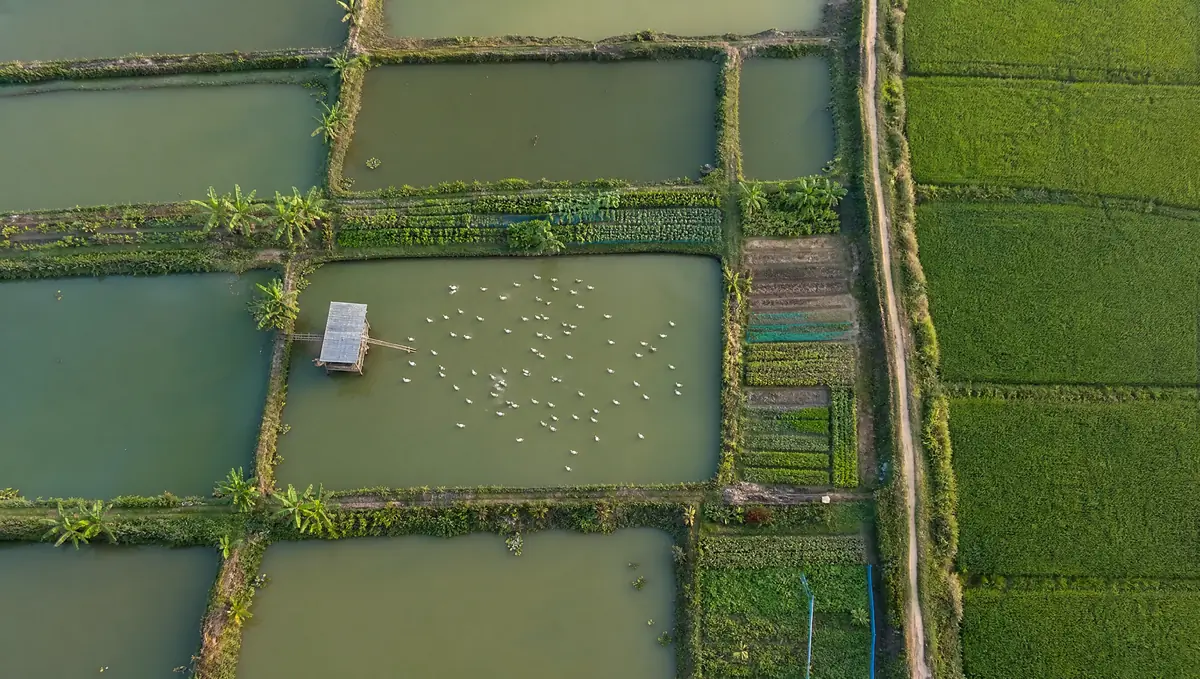
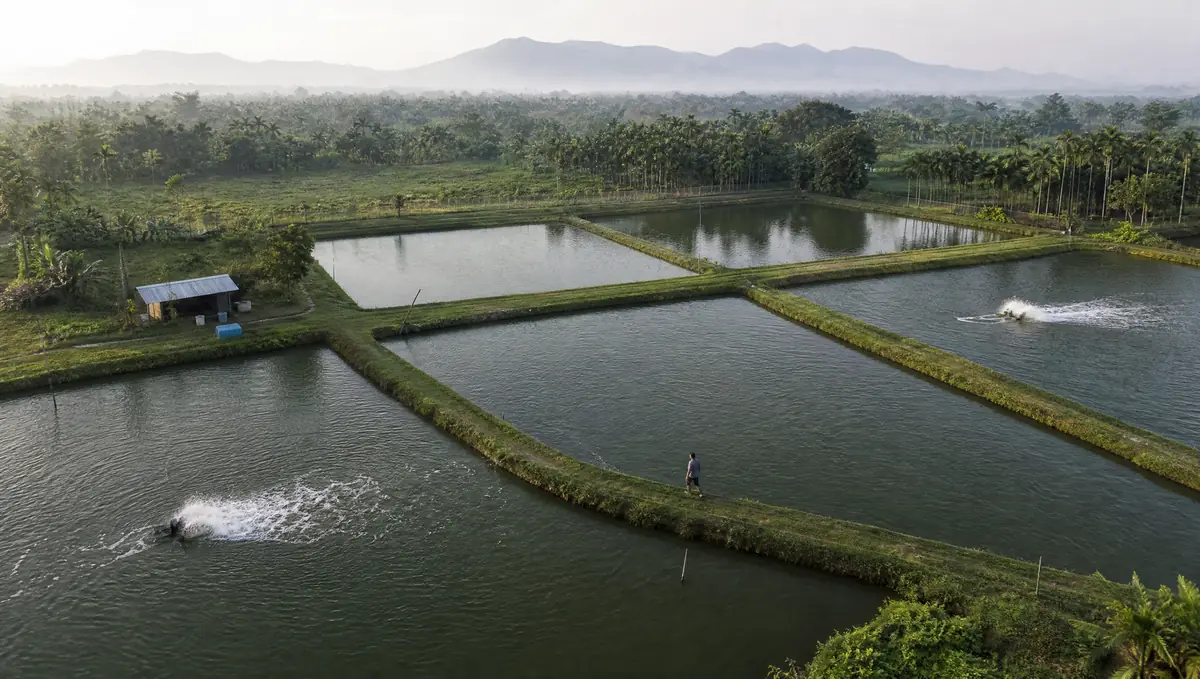
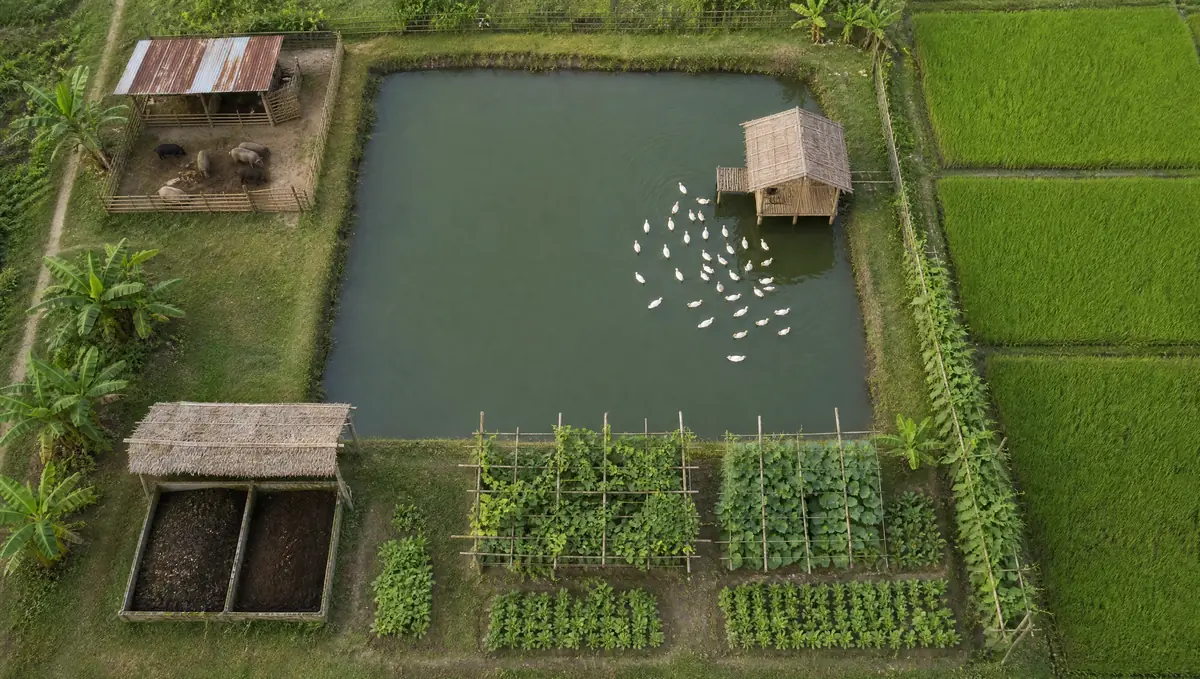
Aerial view of fish ponds with ducks, vegetable beds on bunds and paddy fields.

Farms that cope with floods and cost the planet less.

−58%chemical fertiliser on integrated demonstration plots

  • Flood-ready farm and nursery planning
  • Precision input and aeration practice
  • Zero-waste and integrated farm design
  • Sustainability and carbon baselines
Related service: Technology & Sustainable Farming

Four ways to work with us, often combined.

A livelihood project needs a design and a DPR. A training programme needs a baseline. A well-run farm needs both. Take one service or several; the same team stays with you.

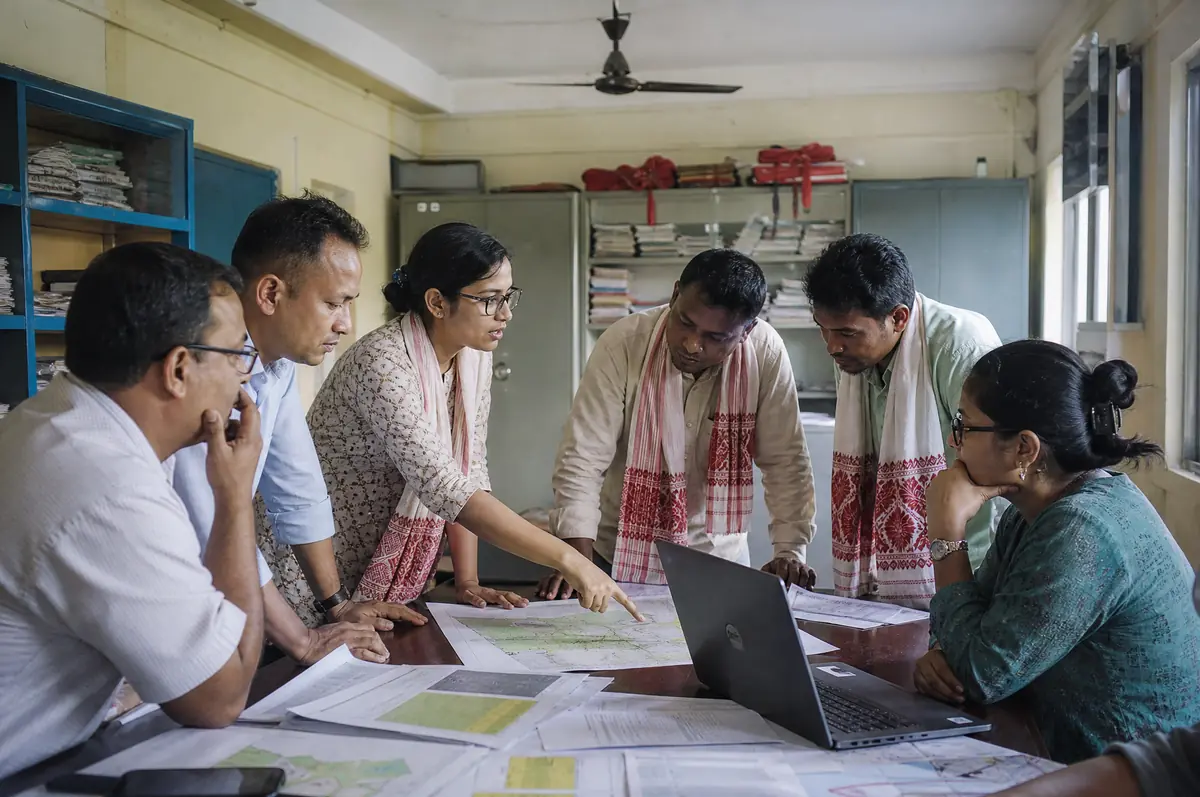
A consultant points to a village map on a table covered with district maps while block officials, an NGO manager and FPO leaders discuss a plan.

Plans a bank will fund and a farmer can actually run.

  • Farmers
  • FPOs & FPCs
  • NGOs
  • Corporates & CSR
  • Training & capacity building
  • Livelihood programme design
  • Fish & agri value addition
Explore Consultancy

A quick demonstration

What better management is worth on your own land.

Most farms in the valley produce well below what the same land and water can give. Choose a crop, set your area and your usual yield, and see the gap at today’s prices.

Sali paddy

Your yield 2.6 t/ha
Well-managed farms 4.5 t/ha

₹90,000more per season

3.8 tonnes of extra produce

Where the gap usually is

    Indicative only. Gross value before extra input costs, which we work out properly in a farm plan or DPR.

    Ask for a farm visit

    Where we work

    Rooted in the Northeast. Useful anywhere in India.

    About seven in ten people in Assam depend directly on farming, on roughly 28 lakh hectares of cultivated land and 2.8 lakh hectares of ponds, beels and rivers. Yields on both are well below what the land and water can give. The gap is rarely the soil or the water. It is planning, finance, markets and institutions.

    Every assignment so far has been in Assam, Meghalaya and Arunachal Pradesh. The methods travel, though: the same practice applies to fisheries, agriculture and livelihood programmes anywhere the problems look like these.

    • 28lakh hacultivated land in Assam
    • ~70%of people depend directly on agriculture
    • 3.5lakh+women’s SHGs under the livelihoods mission
    • 2.8lakh hawater area for fisheries

    Sources: Economic Survey of Assam; Assam State Rural Livelihoods Mission / DAY-NRLM; Department of Fisheries, Government of Assam. Figures rounded.

    Map of India with the Northeast highlighted The eight Northeastern states, with Assam emphasised, and the districts where we have worked. Arunachal Pradesh Assam Manipur Meghalaya Mizoram Nagaland Sikkim Tripura
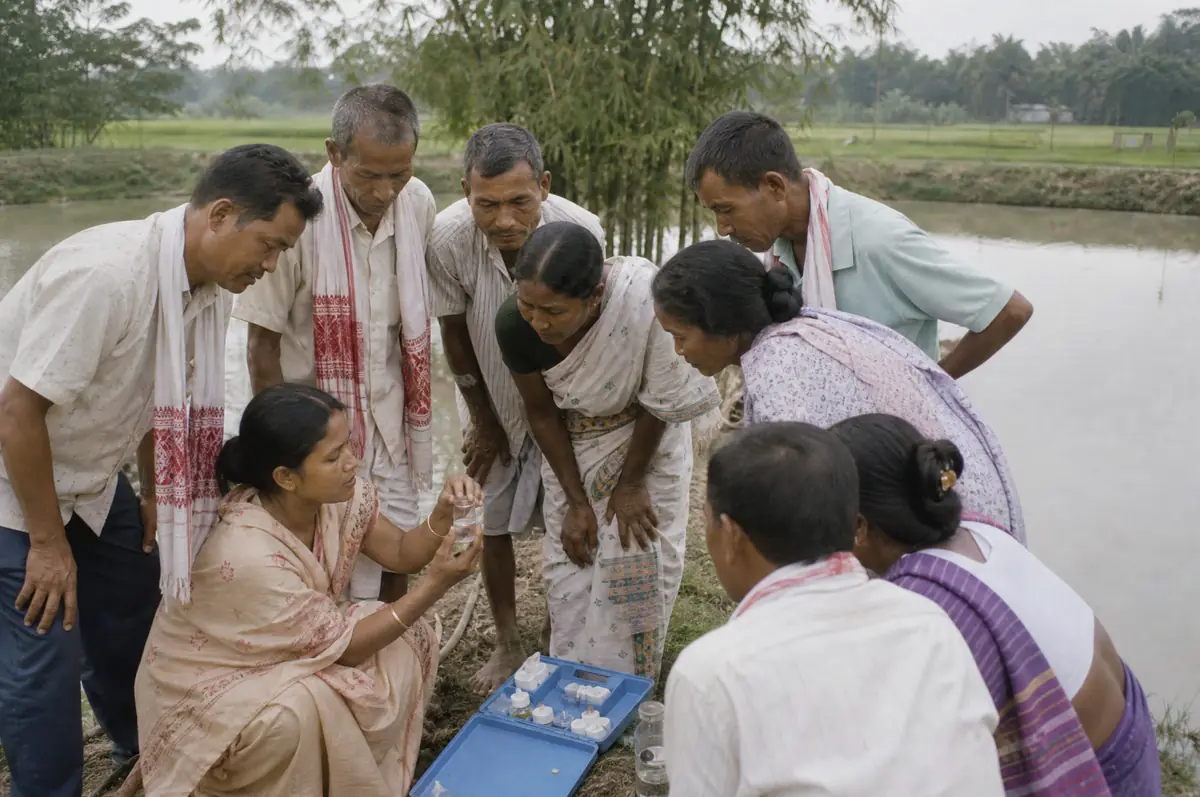
    A trainer demonstrates a water test kit to farmers at the edge of a village pond.
    Nagaon, AssamTraining happens on the farmer’s own field and pond, never only in a hall.

    What the work adds up to, so far.

    We count what reached the field: money sanctioned, not proposals written; farmers trained in their own ponds and fields, not seats filled in a hall.

    • 80+

      DPRs and feasibility studies prepared

    • ₹52 cr

      in bank finance and scheme support mobilised for clients

    • 9,000+

      farmers and SHG members trained in their own ponds and fields

    • 70+

      FPOs, SHG federations and cooperatives supported

    • 25

      baselines, evaluations and impact studies

    • 3

      states: Assam, Meghalaya and Arunachal Pradesh

    From the first site visit to the next district.

    Six stages, not all of them in every assignment. What stays constant is that the people who assess a project are the people who help run it, and who tell you honestly how it went.

    Assess

    Every engagement starts in the field. We look at ponds, plots and institutions as they are, not as the proposal describes them, and we listen to farmers, staff and officials before recommending anything.

    What you get

    Diagnostic note or baseline

    One farm, six enterprises, no waste.

    On an integrated farm, what one enterprise throws away, the next one uses. It cuts bought inputs, cuts emissions and adds income. Tap any part of the farm to see how.

    Top-down view of an integrated farm: a fish pond with a duck house, a pig shed, compost pits, vegetable beds on trellises and paddy fields.

    Six enterprises, run apart

    Each part of the farm buys its own inputs and throws away its own waste. Switch to integrated to see what changes.

    Bought inputs
    5 of 5 when separate, 2 of 5 when integrated
    Waste leaving the farm
    4 of 5 when separate, 1 of 5 when integrated
    Income streams
    2 of 5 when separate, 5 of 5 when integrated
    • Precision agriculture & aquaculture

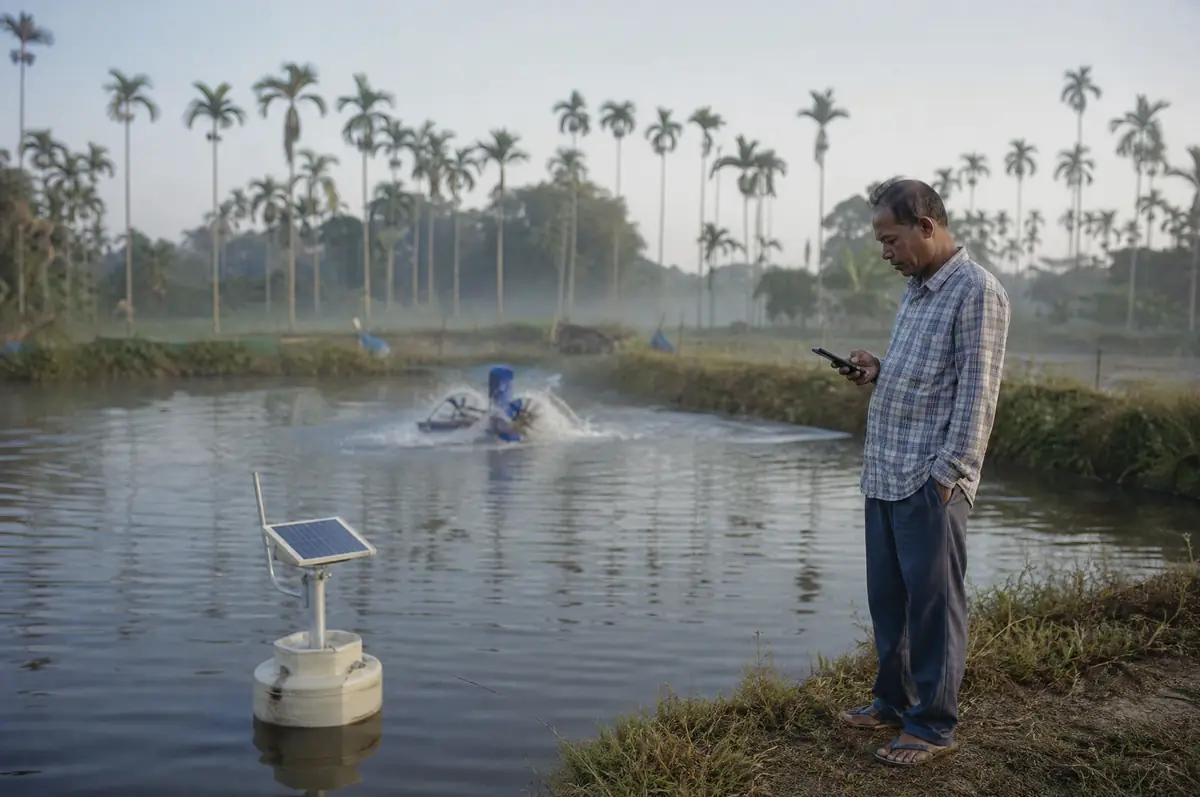
      Water-quality sensors, aerator timers, feed calculators and simple farm records that replace guesswork with numbers a farmer can act on.

    • Integrated farming

      Fish with ducks, pigs, poultry, paddy and horticulture, laid out so that one enterprise’s waste becomes the next one’s input.

    • Zero-waste farming

      Composting, pond-silt reuse, fish-waste silage and by-product value addition that turn waste streams into income.

    • Natural farming

      Low-external-input practices in line with the National Mission on Natural Farming: bio-inputs, mulching and crop diversity, introduced plot by plot.

    Where the work adds up.

    Our assignments contribute to 11 of the 17 Sustainable Development Goals. Pick a goal to see how, and what we measure.

    Goal 1

    No poverty

    Most of our work is about household income: more from the same field or pond, a second crop, a better price, a small enterprise that pays through the lean months.

    What we measure

    • Household income by source
    • Share of households above the poverty line
    • Months of food and income security

    Goals in colour are the ones our work contributes to. Icons follow the United Nations SDG icon set, used for information.

    Who we work with

    Seven kinds of clients, seven different first questions.

    If one of these sounds like you, start there. We will pick up the conversation from your question, not from a brochure.

    Have a farm, a programme or a problem worth solving?

    Tell us what you are working on. A senior member of the team will call you back within two working days, usually sooner.