About
A consultancy that learned its trade in the field.
We are fisheries specialists, agronomists, livelihood practitioners, economists, evaluators and field coordinators, based in Guwahati. Between us we have spent a long time in the places most consultancies see only in reports.
Based in
Guwahati, Assam, India
Working across
Assam, Meghalaya and Arunachal Pradesh
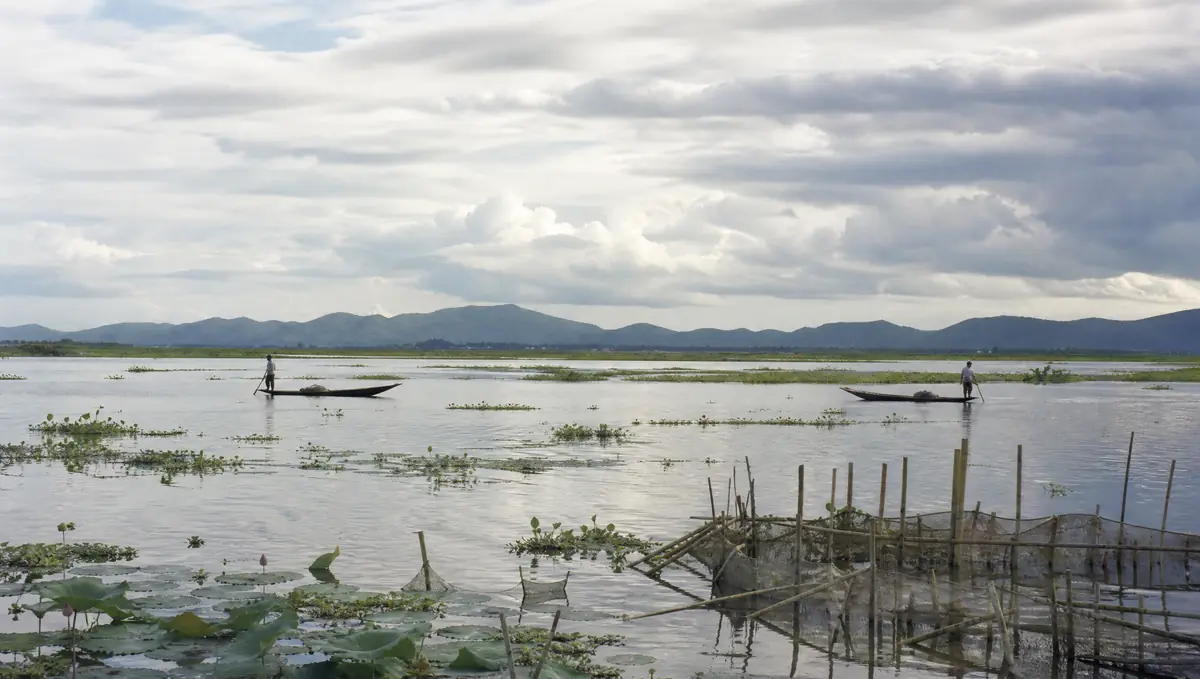
The gap was never the land or the water.
The Northeast has fertile floodplains, abundant water and people who work hard on both. Yet most of its paddy fields, ponds and beels still produce a fraction of what they could, rice fallows sit empty for half the year, and Assam has long bought fish from other states.
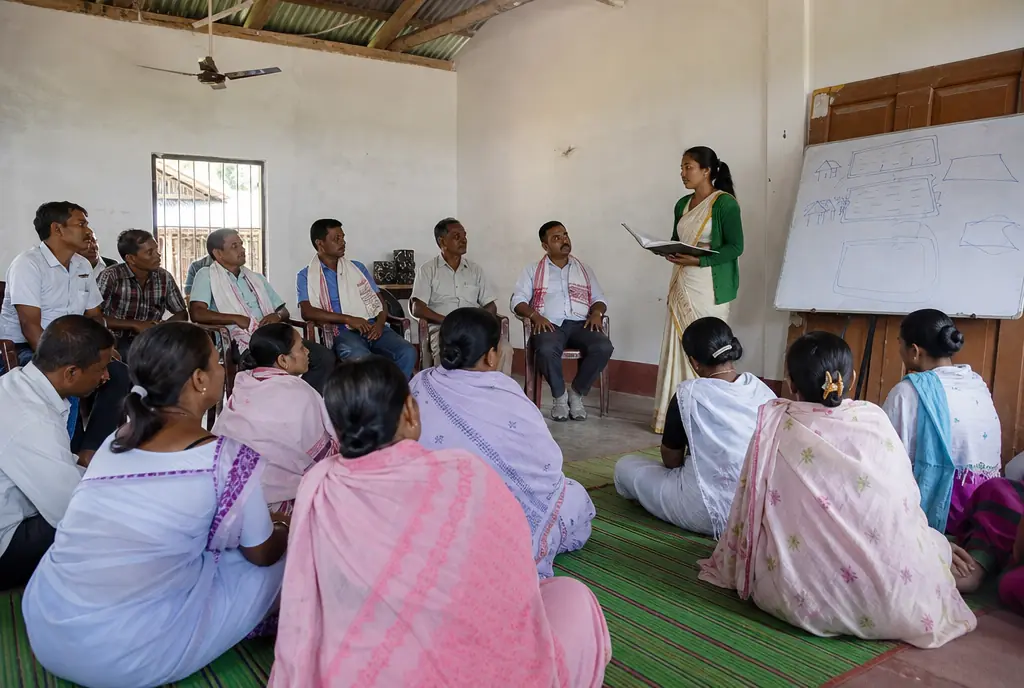
We kept seeing the same pattern. Good schemes that farmers could not access. Loans sanctioned against DPRs nobody could run. Training held in halls, far from the ponds and fields it was about. Evaluations written for the funder and never read by the field team.
Ashoka Consultancy was set up to close those gaps, by being the one partner that understands the field, the bank and the block office together, and stays long enough to see the result.
Today the work spans aquaculture, agriculture and rural livelihoods: project design and DPRs, farmer training, FPO and SHG enterprises, sustainable farming, evaluation and farm management, across the Northeast and a growing number of programmes elsewhere in India.
“If a plan only works in the report, it is not a plan. We would rather tell a client that early.”
Eight disciplines, one table.
Assignments are staffed by people who have done the work themselves. The person who writes your DPR has run a farm season; the person who designs your survey has run one.
Agronomy & horticulture
Crop planning, soil health, rice-fallow crops, vegetables, spices and natural farming.
Fisheries & aquaculture
Pond management, hatcheries, beel fisheries, fish health and water quality.
Economics & finance
DPRs, financial models, bank appraisal, scheme finance and business planning.
Monitoring & evaluation
Study design, sampling, digital data collection, statistics and learning.
Livelihoods & gender
SHG federations, women’s enterprises, FPO governance and household livelihood planning.
Food processing
Fish value addition, food safety, packaging and product costing.
Climate & natural resources
Flood-risk planning, water, wetlands, carbon baselines and nature-based farming.
Field operations
Coordinators and enumerators who know the districts, the roads and the seasons.
Our field teams work in
- Assamese
- Bengali
- Hindi
- English
- Bodo
- Mising
- Nagamese
- Nepali
- Sadri
With local resource persons
- Dimasa
- Karbi
- Rabha
- Tiwa
- Garo
- Khasi
- Manipuri
- Mizo
- Kokborok
- Ao
- Odia
The institutions our work runs through.
Almost nothing in rural development works without the right institutions on board. Knowing how each one decides, and what it needs to see, is a large part of our job.
- State fisheries & agriculture departmentsScheme components, district plans and extension staff
- NABARD & commercial banksProject appraisal, term loans and refinance
- National Fisheries Development BoardTraining, FFPO support and fisheries infrastructure
- KVKs & agricultural universitiesTechnical backstopping, trials and farmer training
- State rural livelihoods missionsSHG federations, women’s enterprises and convergence
- CSR foundations & philanthropiesProgramme design, grants and independent evaluation
- Panchayats & block officesCommunity water bodies, MGNREGS works and local planning
- Multilateral & bilateral projectsTechnical assistance, feasibility and MEAL
Where we work
Rooted in the Northeast. Useful anywhere in India.
About seven in ten people in Assam depend directly on farming, on roughly 28 lakh hectares of cultivated land and 2.8 lakh hectares of ponds, beels and rivers. Yields on both are well below what the land and water can give. The gap is rarely the soil or the water. It is planning, finance, markets and institutions.
Every assignment so far has been in Assam, Meghalaya and Arunachal Pradesh. The methods travel, though: the same practice applies to fisheries, agriculture and livelihood programmes anywhere the problems look like these.
- 28lakh hacultivated land in Assam
- ~70%of people depend directly on agriculture
- 3.5lakh+women’s SHGs under the livelihoods mission
- 2.8lakh hawater area for fisheries
Sources: Economic Survey of Assam; Assam State Rural Livelihoods Mission / DAY-NRLM; Department of Fisheries, Government of Assam. Figures rounded.
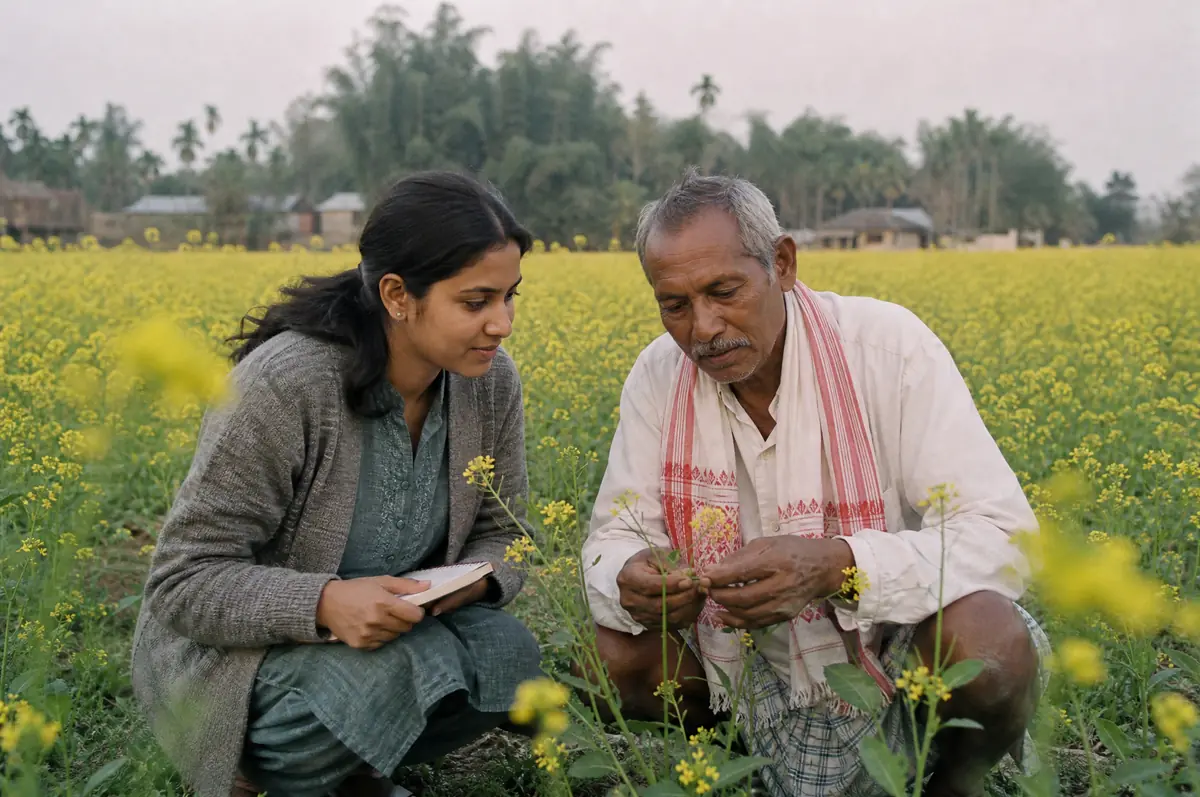
What the work adds up to, so far.
We count what reached the field: money sanctioned, not proposals written; farmers trained in their own ponds and fields, not seats filled in a hall.
-
80+
DPRs and feasibility studies prepared
-
₹52 cr
in bank finance and scheme support mobilised for clients
-
9,000+
farmers and SHG members trained in their own ponds and fields
-
70+
FPOs, SHG federations and cooperatives supported
-
25
baselines, evaluations and impact studies
-
3
states: Assam, Meghalaya and Arunachal Pradesh